
Portfolio Orchestration
We don't build apps. We ship playable systems.
Digavo focuses on the invisible architecture of engagement: the latency of input, the psychology of rewards, the performance ceiling. Our portfolio isn't a catalog of graphics; it's a library of solved problems for serious players and studios.
Client Decision Lens
- ✓ Optimizes for: Player retention, technical performance, clear monetization loops.
- – Sacrifices: Arbitrary feature bloat, "viral" mechanics that feel cheap, generic templates.
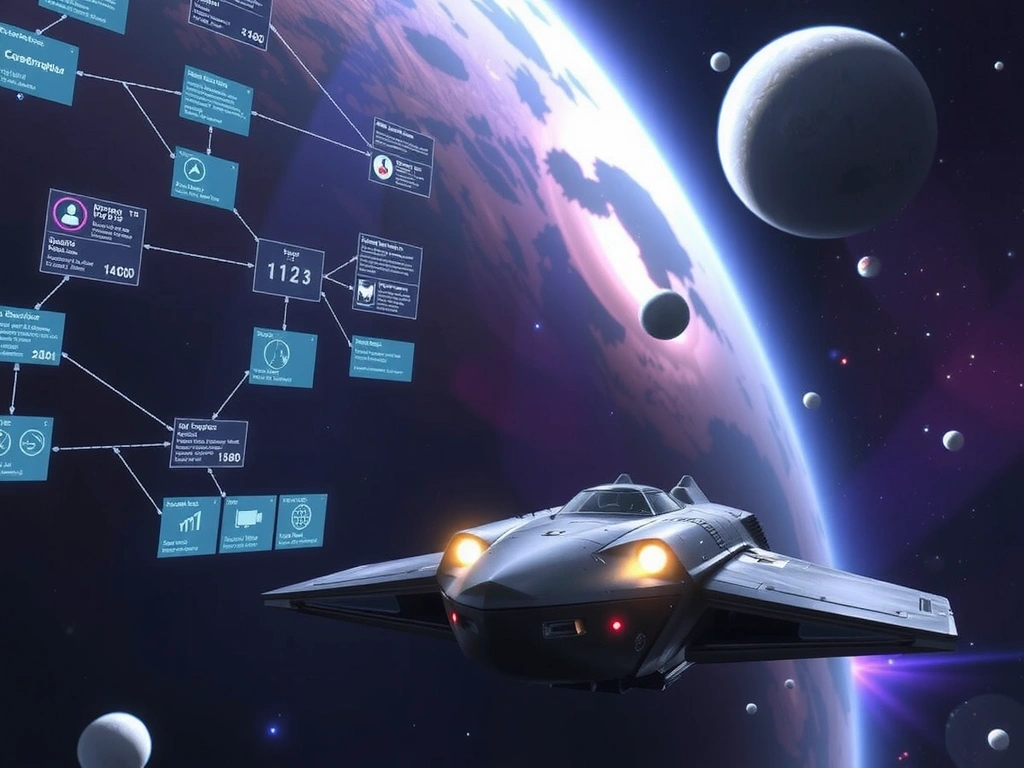
Fig. 1: The 'Aether Drift' prototype phase. The wireframe defines player input paths; the render defines the emotional payoff.
Philosophy Note
Our north star is "session length over ad impressions." A game that respects player time is a game that earns loyalty.
Core Competencies
Architectures of Engagement
A scannable matrix of our technical and design pillars. Each represents a solved constraint, a trade-off we've mastered.
Input Latency & Physics
We engineer the millisecond-accurate link between touch and action. Non-negotiable for FPS and racing titles, critical for any precision gameplay.
Progression Loops
Reward structures that feel earned, not extracted. We design skill-based unlocks and narrative milestones, avoiding random loot boxes that erode trust.
Monetization Ethics
Our framework integrates purchases that enhance gameplay, never gate it. We model lifetime value against user sentiment to avoid player churn.
Accessibility First
Core design principles baked in from day one: color-blind modes, scalable UI, and custom difficulty sliders. It's a constraint that fuels better design.
Performance Optimization
The 60fps/2s-load mantra on mid-range devices. We profile CPU/GPU cycles, minimize memory leaks, and ensure thermal stability during long sessions.
Social Architecture
From asynchronous leaderboards to real-time co-op. We build meaningful interaction without forcing social pressure, respecting player privacy and time.
Case Study: 'Aether Drift'
Solving the Vastness Paradox
The Challenge
Create a space exploration game that feels vast and mysterious, yet intimately personal. The client feared procedural generation would make the universe feel empty and algorithmic. They needed a solution that felt hand-crafted by a human mind.
The Approach: Hand-Crafted Topology
Instead of an endless random void, we designed a fixed but dynamic star map—200 hand-placed celestial objects. Each node had pre-scripted events, but the sequence was gated by player choice. The key mechanic was a 'bottleneck' system: certain paths remained locked until specific skills were mastered, creating a sense of earned discovery rather than aimless wandering.
Technical Constraint
The game had to run on a 5-year-old smartphone (iPhone 8 / Galaxy S9). Our custom 2.5D rendering engine used baked lighting and occlusion culling to achieve stable 30fps, prioritizing atmosphere over real-time shadows.
Pitfall Avoided
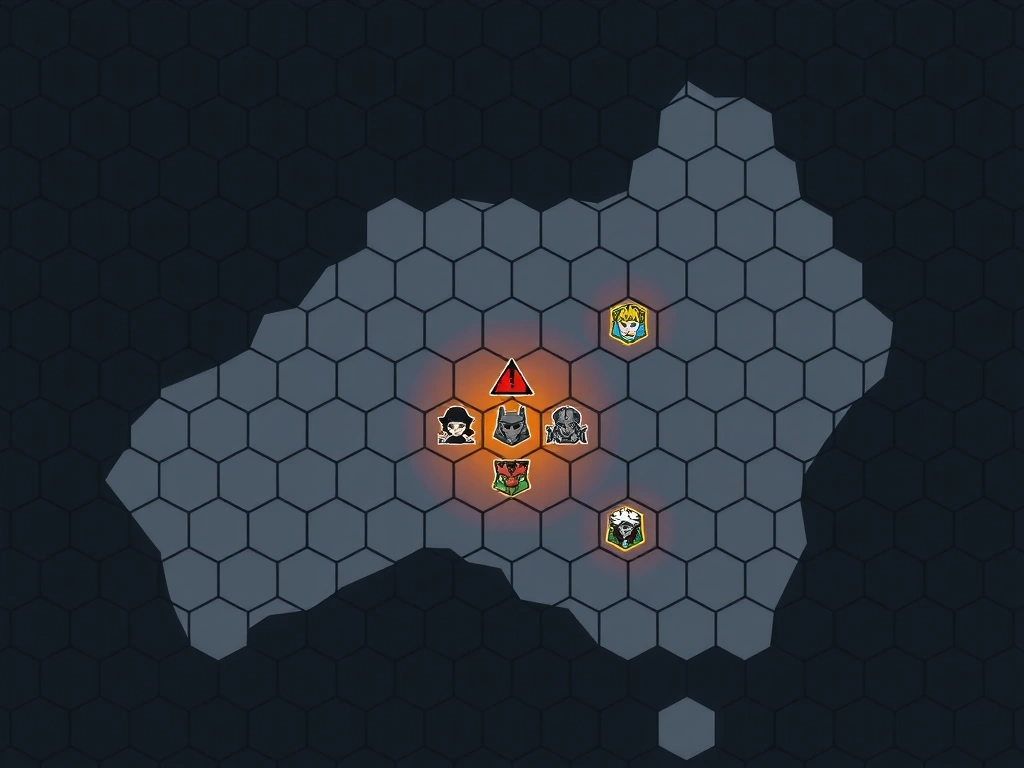
Early playtests revealed a profound loneliness in deep space. We introduced a 'Ghost Signal' system—ephemeral trails left by other players' paths, visible but non-interactive. It created a whisper of shared experience without breaking the isolation of the solo voyage.
Key Takeaway
Scale in mobile gaming isn't about map size; it's about perceived depth through meaningful constraints. A smaller, denser space with clear rules outperforms an empty, infinite one.

The 'Ghost Signal' system. The faint blue lines are the paths of other players, creating a sense of a lived-in universe.
Glossary with Opinions
- Input Lag
- The delay between touch and visual/audio feedback. Our view: The most underrated metric in mobile gaming. We target <50ms end-to-end, but anything <100ms is often playable. Over-optimizing here has diminishing returns.
- Session Length
- Average time per gameplay session. Our view: The most honest metric of engagement. We prioritize 10-20 minute "satisfying loops" over hours of grind. Long does not equal good.
- Retention
- Day 1, Day 7, Day 30 retention. Our view: D1 > 40% is baseline for a quality game. D7/D30 drop-off reveals if your core loop is sticky or just a launch novelty.
Interactive Gallery
Select a Project to Inspect
Filter the portfolio by genre or view detailed specs. Tap any card to expand its blueprint.
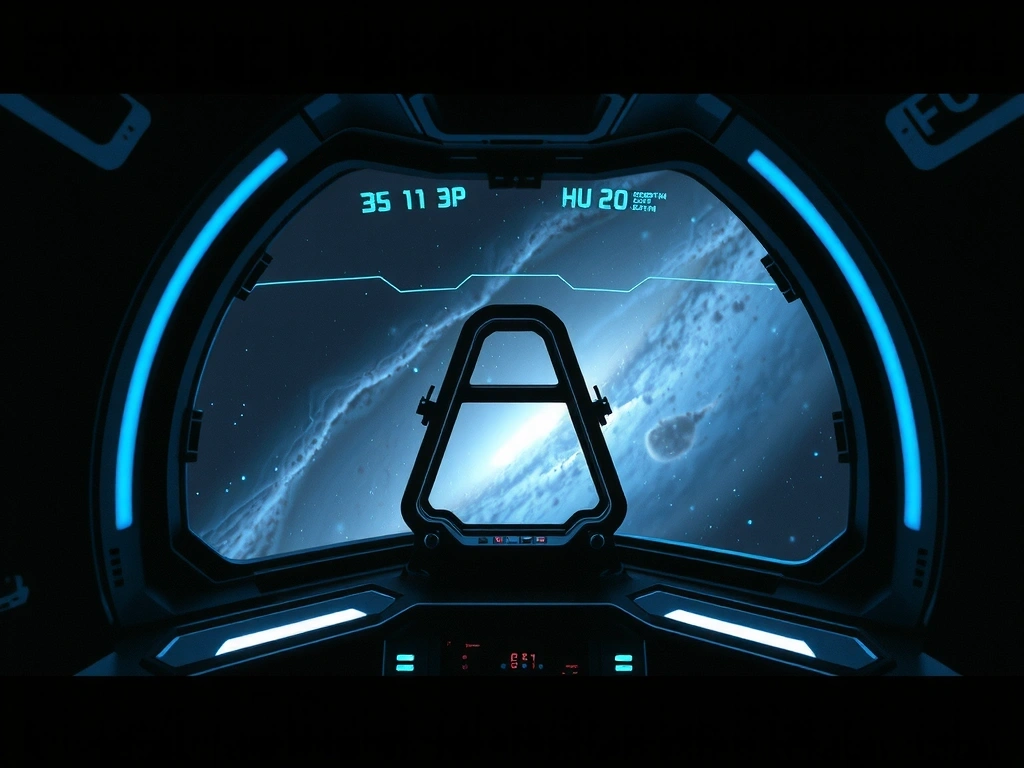 RPG
RPG
Aether Drift
Space exploration RPG with hand-crafted star map and narrative branches driven by player choice.
Core Metric
70% Story Completion (Genre Avg: 45%)
 Strategy
Ironclad Tactics
Asynchronous turn-based strategy for mobile, designed for 10-minute sessions on a commute.
Core Metric
D7 Retention: 38%
 Simulation
Villa Systems
Eco-system simulation game focused on resource balance and visual satisfaction, no combat.
Core Metric
Session Length: 18 min avg
The Trade-off Frame
Transparent About Constraints
Our projects aren't magic. They're conscious choices. Here’s what we optimize for, and what we willingly accept as a cost.
What You Gain
- • A game engineered for a specific, measurable outcome (retention, session length, satisfaction).
- • Technical stability: no surprise crashes, thermal throttling, or battery drain on supported devices.
- • Clear player progression that feels earned, not extracted.
- • Post-launch framework for data-driven updates, avoiding feature bloat.
The Cost & How We Manage It
- • Cost: Narrower scope. Mitigation: We double down on depth, not breadth. A smaller, perfect game beats a sprawling, buggy one.
- • Cost: Slower initial buzz. Mitigation: We target organic growth through community respect and visible polish, not paid virality.
- • Cost: Higher upfront development effort. Mitigation: Our modular pipeline and pre-built systems reduce iteration time without cutting corners.
- • Cost: Not for every genre (e.g., ultra-casual hyper-clicker). Mitigation: We’re honest about our fit. We'll recommend a specialist if we're not the right partner.
Ready to discuss a project that respects your players' time and your studio's goals?
Start a ConversationOr email us directly at info@digavo.pro